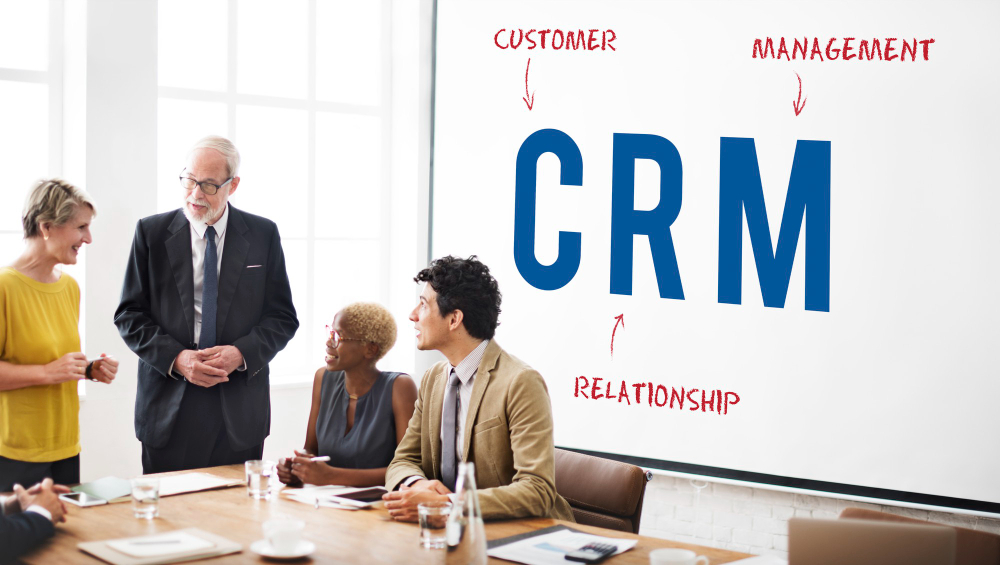
Choosing the right CRM system is an important decision for any business. Many companies still use traditional CRM systems, while others are moving toward advanced platforms like Salesforce. Understanding the difference between the two can help businesses make the right choice.
Traditional CRM systems are usually basic tools that store customer data and track interactions. They often require manual updates, limited automation, and offer basic reporting features. While they may work for small businesses, they lack the flexibility and scalability needed for growing organizations.
On the other hand, Salesforce is a cloud-based CRM platform that offers a complete suite of tools for sales, marketing, service, automation, and analytics. It allows businesses to manage the entire customer lifecycle in one place with real-time access to data from anywhere in the world.
One of the biggest differences is automation. Salesforce provides advanced automation tools that reduce manual work, such as automated lead assignments, follow-ups, and workflow processes. Traditional CRMs usually lack this level of automation.
Another key difference is integration. Salesforce can connect with thousands of third-party applications, including ERP systems, marketing tools, and customer support platforms. Traditional CRMs often have limited integration capabilities.
Scalability is another major advantage of Salesforce. It is designed to grow with your business, whether you are a startup or a large enterprise. Traditional CRM systems may struggle to handle large data volumes and complex business processes.
Salesforce also provides powerful reporting and analytics tools. Businesses can create real-time dashboards and detailed reports to gain insights into performance, sales trends, and customer behavior. Traditional systems typically offer limited reporting features.
In conclusion, while traditional CRM systems may be suitable for basic needs, Salesforce is a far more powerful, flexible, and scalable solution. It helps businesses automate processes, improve customer relationships, and drive long-term growth, making it the preferred choice for modern organizations.